
Plan Vivo
My little heart leaps every time I hear from the cause-driven folks at Kind. Because if Kind has a project for me, I know it’ll be a chance to write for good.
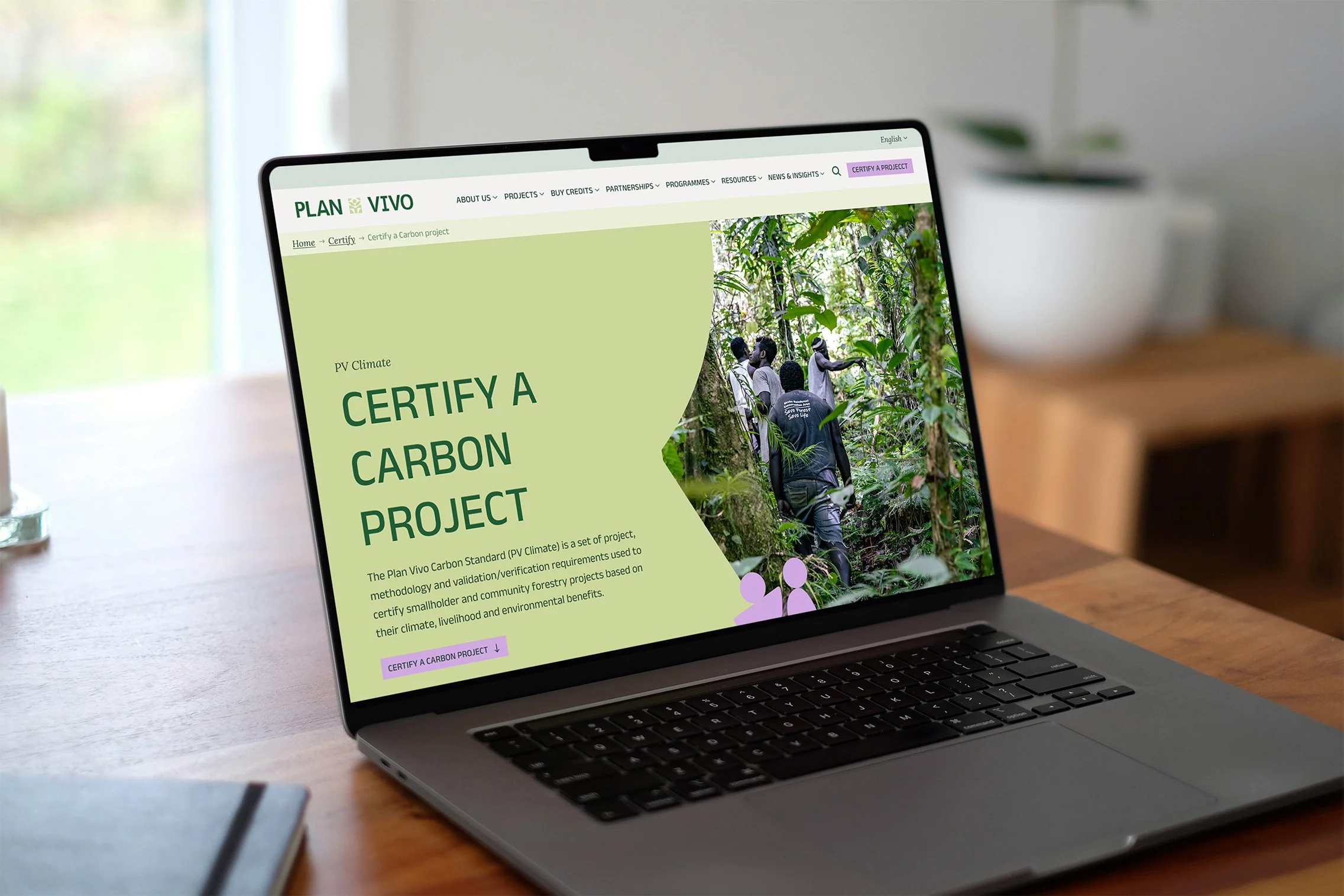
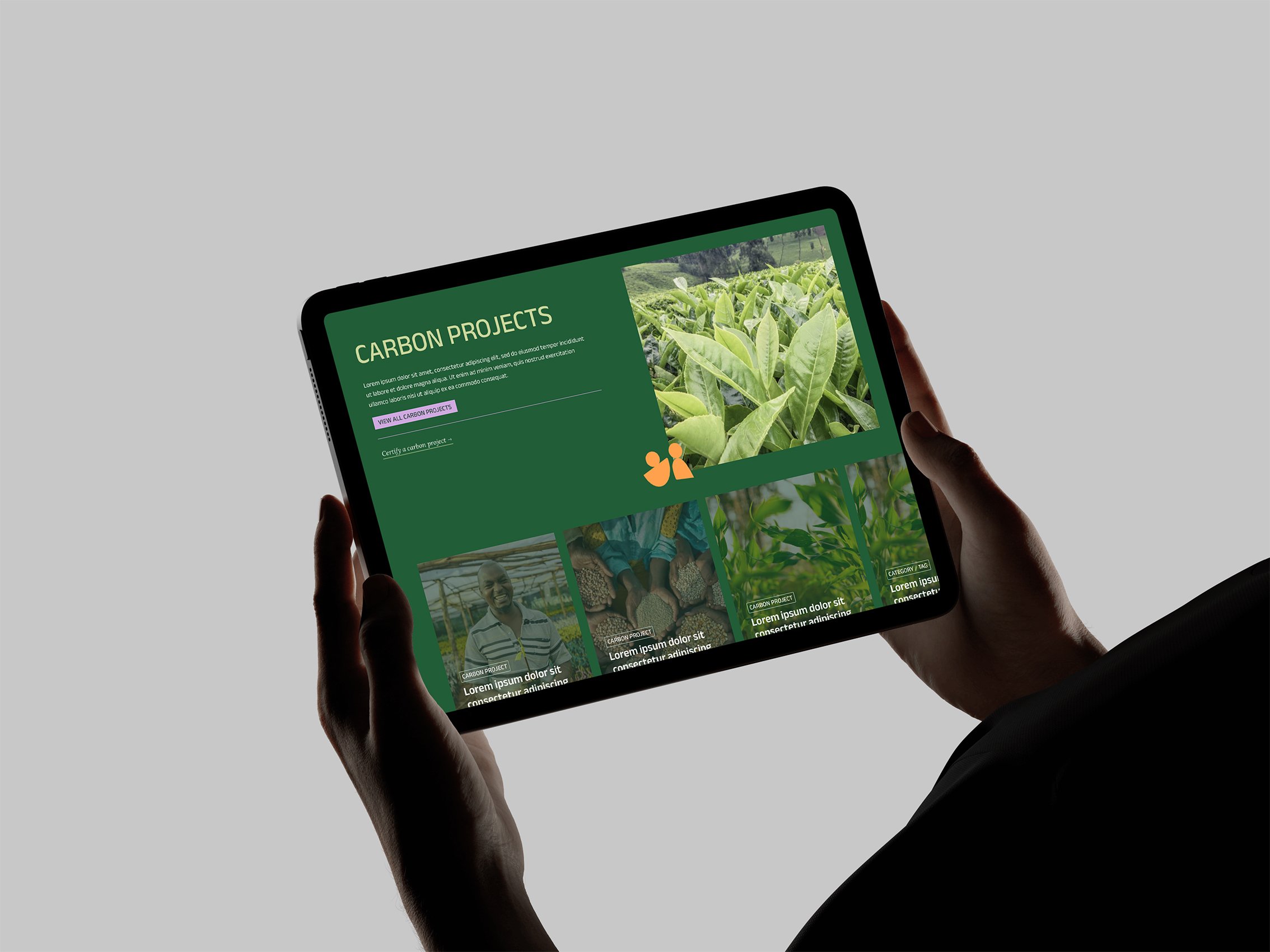
This time they were working on a brand strategy, identity and website for Plan Vivo, an organisation that certifies and supports nature-based and community-led projects. I eagerly hopped aboard to sort the charity’s tone of voice, core messaging and micro voice guidelines, all of which would help them better articulate their cause and values.
‘There are lots of carbon and nature restoration projects out there – but they’re not all the same. For a project to be Plan Vivo certified, it must go beyond capturing carbon or restoring ecosystems. It must be high integrity, locally led, and rooted in nature, with tangible and equitable benefits for both people and planet. So when you buy a Plan Vivo Certificate, you’re contributing to climate action and benefiting people, livelihoods, and landscapes.’
Positioning statement
Plan Vivo’s messaging was mired in academic and industry language. It happens, especially when an organisation’s been around for some time; it’s tricky to see from the outside in, or shake off old habits. But while that was fine for stakeholders, board members and partners who were already immersed in the charity’s work, it made it difficult to share their work and reach new supporters – and it didn’t fit their new brand direction or strategy.
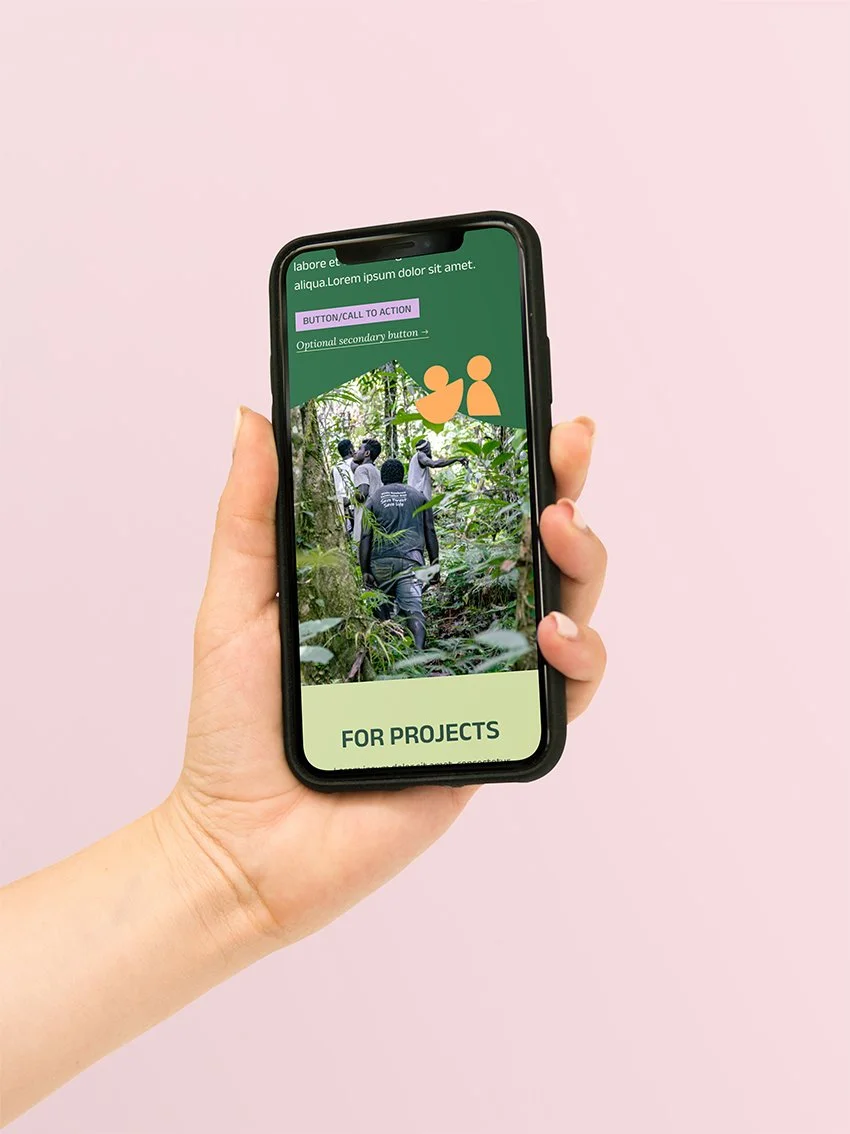
‘Plan Vivo Certificates (PVCs) are much more than carbon credits. That’s why we call them Certificates. Each Certificate represents additional social and environmental benefits for people and planet, which vary from project to project, as well as a tonne of CO2 emissions reduction or removal. And crucially, at least 60% of the income from the sale of PVCs goes back to the local community. So, with every certificate you buy, you’re going beyond carbon and supporting long-lasting, meaningful impact.’
Key messaging
Kind asked me to help the team clearly explain what they do and why it matters. I began by delving into the notes from the brand workshop, then caught up with Diana Wrangham, Communications Coordinator at Plan Vivo. To get my head around the charity, I asked her how she explains it to friends. It’s always useful to know how people explain their work outside work; it sets aside the baggage and puts simplicity first.
From there, I pulled together a compact suite of messages focusing on things the team would find most useful: an overarching brand story, plus tailored statements targeting their two key audiences. I finished with a summary of Plan Vivo Certificates (PVCs), articulating why they’re so much more valuable than standard carbon credits.
‘The Plan Vivo voice is fresh and simple. We constantly challenge ourselves to write in a more conversational and accessible way that people will understand, even if our work is new to them. Why? Because the easier it is for audiences to grasp the benefits of what we do, the more likely it is that they’ll support our projects – and help us make the greatest impact.’
Voice summary
I used those messages to explore and set the charity’s new tone of voice. It’s clear and unadorned, swapping long, jargon-heavy sentences for shorter, easier-to-grasp statements that cut through competitors’ greenwashing. It’s accessible, yes, but still uses the correct technical terminology and familiar industry phrases to tell audiences they’re in the right place. For businesses looking to offset their carbon emissions, this helps them compare like for like – and understand what Plan Vivo does better.
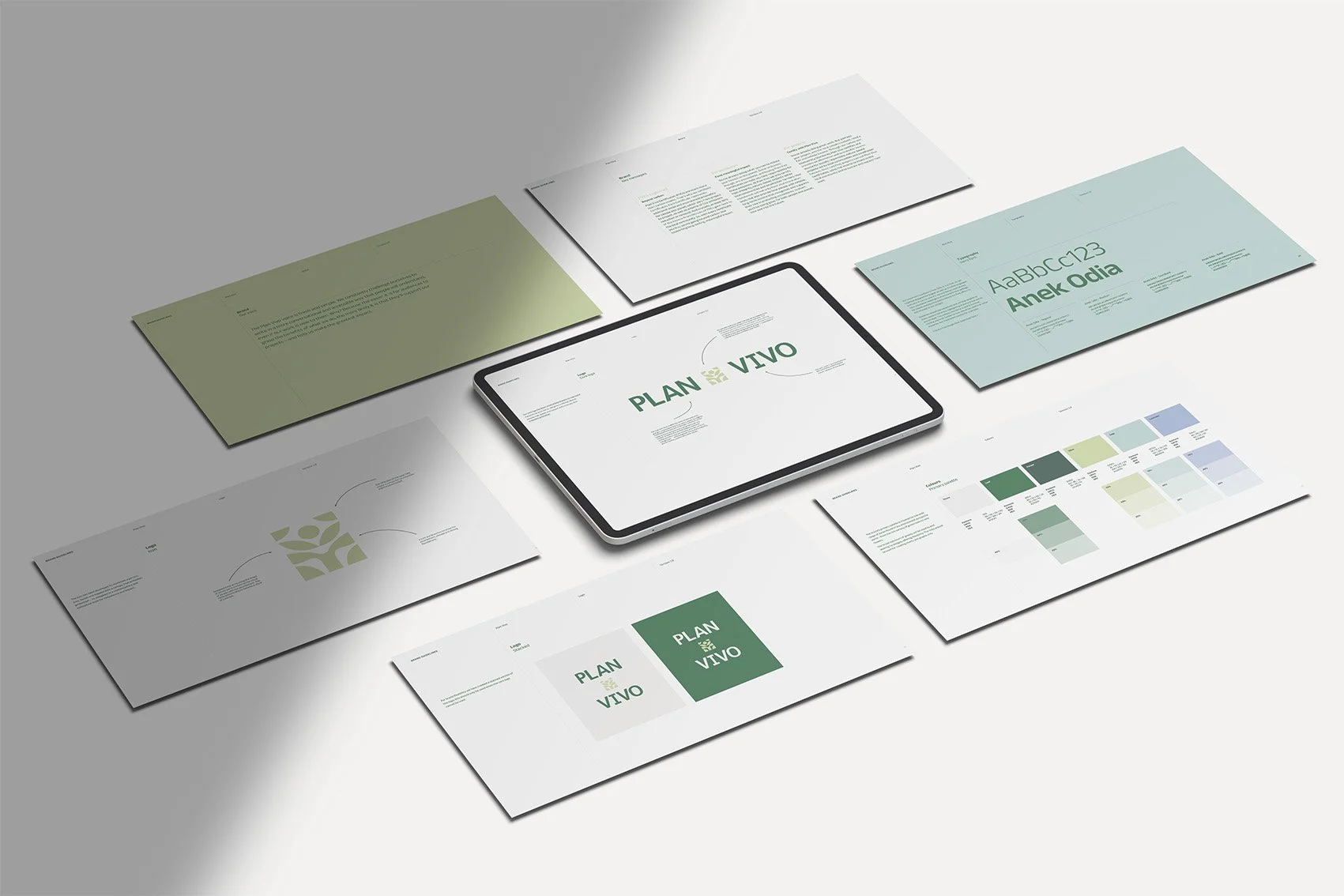
Last of all, based on the team’s day-to-day copy challenges I pulled together a miniature set of voice guidelines. With these specific directions and examples, Plan Vivo will be able to set their new voice to work. You’d be surprised how much you can fit into just a few pages.